
BEHIND THE BLADE
QUALITY BORN IN POLAND
Quality is a concept that we at MK Knives & Tools approach with the utmost care. For us, quality means not only the proper execution of the designed product but also attention to the entire knifemaking process at every stage of creating a knife. Quality, in our view, reflects the brand’s commitment to detail, the coherence of the product concept, and the overall craftsmanship. It also means a dedication to the processes that ultimately confirm each knife’s readiness to be placed in the hands of the brand’s eagerly awaiting fans.
MK Knives & Tools – Quality Born in Poland
MACHINERY
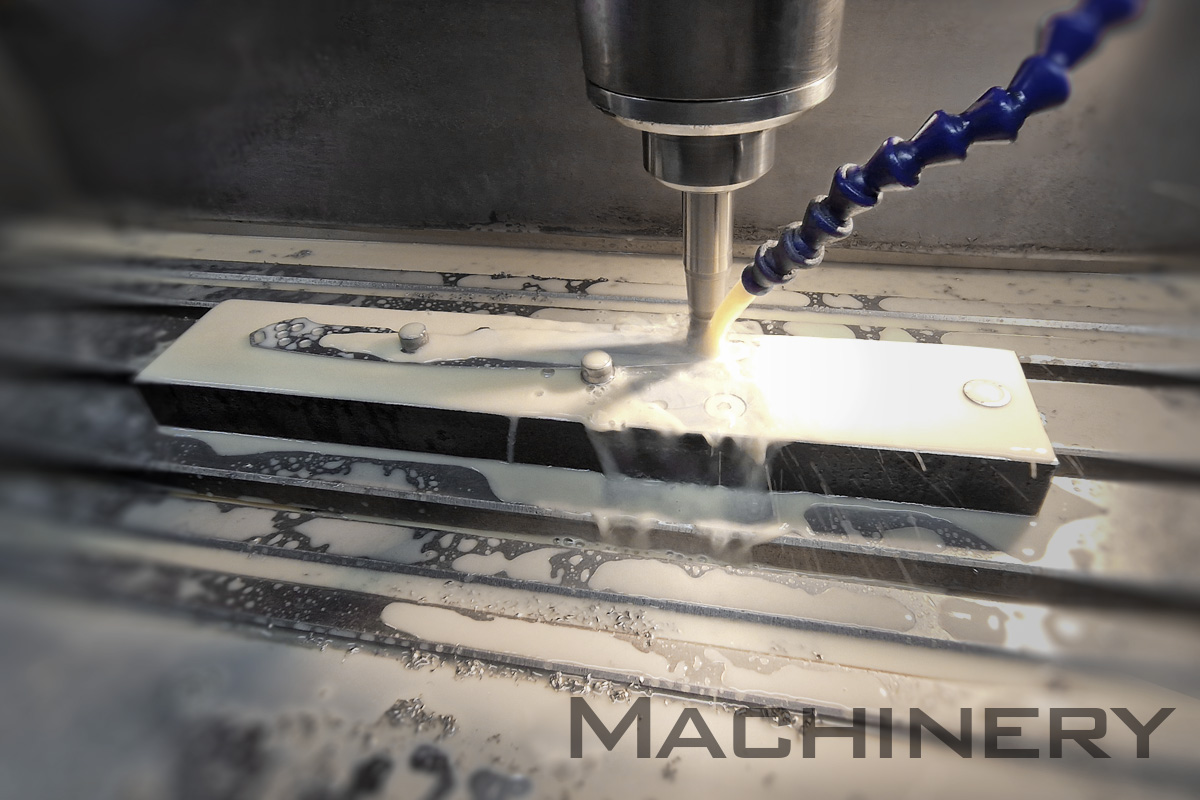
In the knifemaking process at MK Knives & Tools, we use various machines and equipment tailored to this activity, such as grinders, milling machines, lathes, sandblasting and bead-blasting booths, laser engraving systems for steel marking, sharpening systems, and Kydex material presses. We also design and create custom tools and equipment, adding a unique character to the brand. A custom, self-designed and built CNC machine, along with attachments and tools for making individual knives, handles, and Kydex sheaths, are just a few examples.
The brand’s recent development has led to a significant expansion of the machine park and a new workshop. The upcoming launch of this facility will bring even greater diversity to MK’s knife offerings, fulfilling fan expectations.
KNIFE STEELS
The core of every knife lies in the steel used to craft it. The steels selected for the production of MK Knives & Tools are advanced materials sourced from well-known European and American steel mills. In the catalog of steels used in MK knife production, we find excellent stainless steels such as Elmax, Vanax, Becut, and MagnaCut, which are valued for their versatility and ease of maintenance. Also highly favored and frequently used in the knifemaking process are steels with lower corrosion resistance but higher toughness, such as Vanadis 4 Extra, Vanadis 23, Sleipner, and Rigor. These steels are protected against corrosion with special coatings that give the blade a striking black finish, perfectly contrasting with the vivid accents on the handles and sheaths—features that are highly appreciated in MK Knives & Tools designs.


BLADE GRINDS
MK Knives & Tools blades come with diverse grinds. Among these, there are both classic and innovative grinds. The classic grinds include full flat grind (FFG), high grind with false edge, and classic hollow grind. Of special note is one of MK’s favorite and most distinctive non-classic grinds: groove grind (GG), a hollow grind with a small concave. In smaller blades, this grind makes for a real slicer, while in larger blades with a thick spine, it enhances cutting ability while maintaining high durability against overloads. MK blades sometimes feature a double grind (DG), combining a groove grind with a flat grind, as well as other variations like the Postapo series’ groove grind with a flat grind tip. MK blades are often adorned with a double-sided fuller to balance or lighten the blade.
HARDENING PROCESS
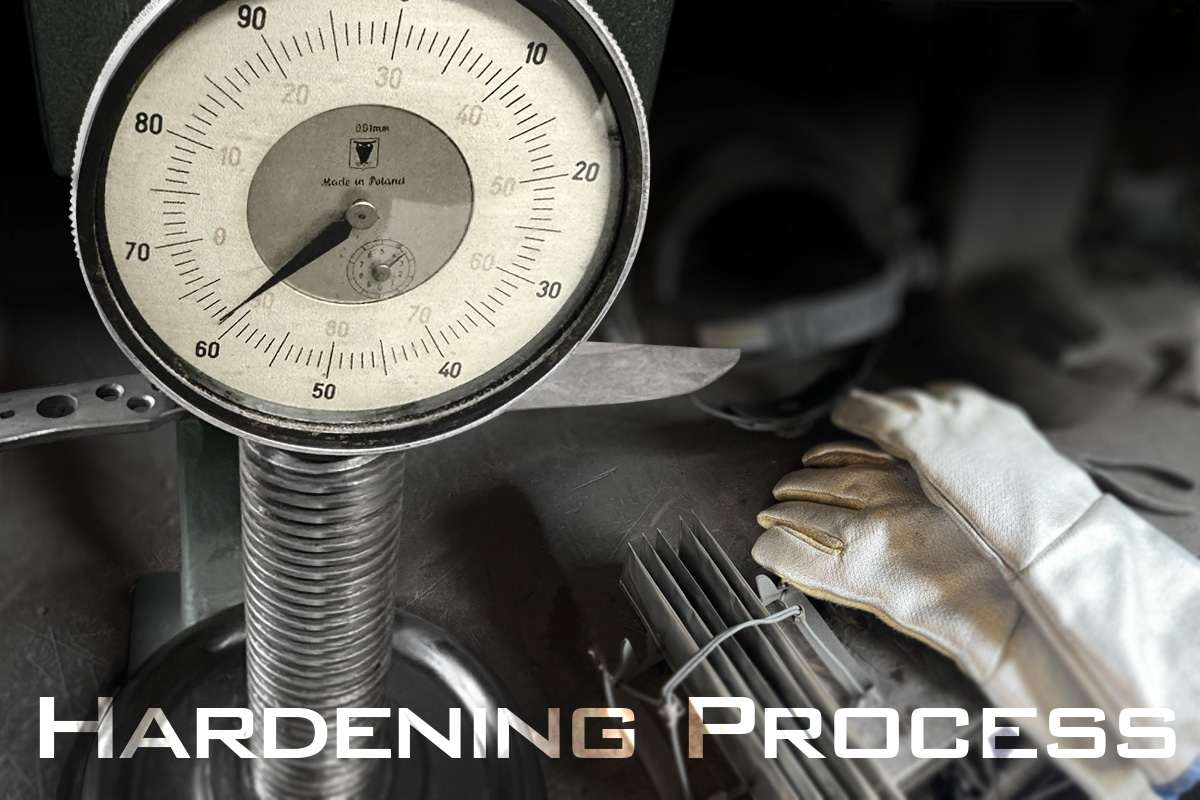
A properly executed hardening and tempering process is crucial for maximizing the performance of a knife blade. When a blade is hardened according to the specific guidelines for a particular type of steel, it retains long-lasting sharpness, wear resistance, and the ability to withstand heavy loads, while also maintaining a certain degree of flexibility. MK Knives & Tools knives feature hardness levels tailored to the type of steel and the length of the blade. The steel hardness, expressed on the Rockwell scale and given as an HRC (Rockwell C Hardness) value, is always verified to ensure the desired outcome is achieved. The hardness value for each custom knife is provided for the future owner’s reference and is included in the certificate that accompanies every knife set, serving as an integral part of the package.

BLADE FINISHES
Details in MK Knives & Tools products are of great importance. The same applies to knife blades, where the final finish is equally crucial. Blade finishes complement the overall concept of the product. Among the finishes we can find on MK blades are: satin finishes (most often horizontal hand satin), bead-blasted, sandblasted, stonewash, black PVD (Physical Vapor Deposition – titanium oxide), black DLC (Diamond Like Carbon with an impressive hardness of ~90 HRC, where the maximum on the HRC scale is 100 HRC!), and their various variations. The finish is selected to match the knife’s design but also serves as protection for the blade, especially in cases where we deal with rust-prone steels that are coated with PVD or DLC.
KNIFE ENGRAVINGS
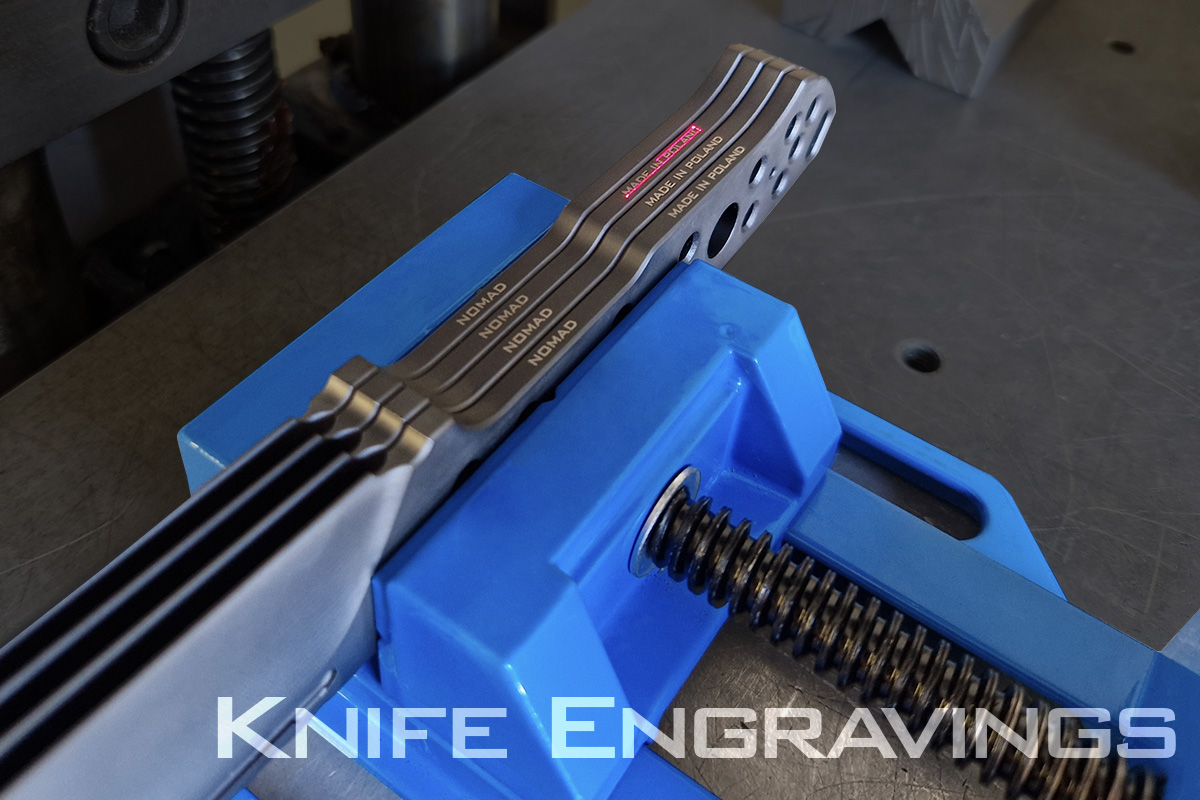
Engravings on MK Knives & Tools help the users feel more connected to the tool they are operating. The name engraved on each custom knife adds a personal touch, making it a companion for hikes and everyday adventures. It also enhances the user’s trust in their tool. Another important aspect is the engraving of the steel type used, which forms the core of the knife and often dictates its application. This is also a useful guide for the user, providing information on how to properly maintain the steel. Every knife from the MK workshop proudly features the country of origin. ‘MADE IN POLAND’ for MK Knives & Tools represents a serious commitment and promise. The laser engravings on the knives are also carefully matched with the engravings on the sheaths, creating a cohesive and unified design element.

KNIFE HANDLE MATERIALS
Diversity is a key word when it comes to knife handles, referring both to the range of materials used and their vibrant colors. Among the materials used for handles are: G10 laminates, original Micarta, custom micarta, stabilized wood, carbon fiber, and FatCarbon. The brand is notably characterized by the combination of these materials and various colors, which has become a distinctive feature over the years. Combining materials also allows for creating unique patterns on handles, whether it’s through filling patterns with epoxy resin, merging two colors of G10, or combining G10 with Micarta or G10 with carbon fiber. Handles often feature bright and contrasting colors, reflected in the blades and sheaths. Orange, yellow, red, toxic green, and OD green are surely some of MK’s favorite colors.
KNIFE SHARPENING
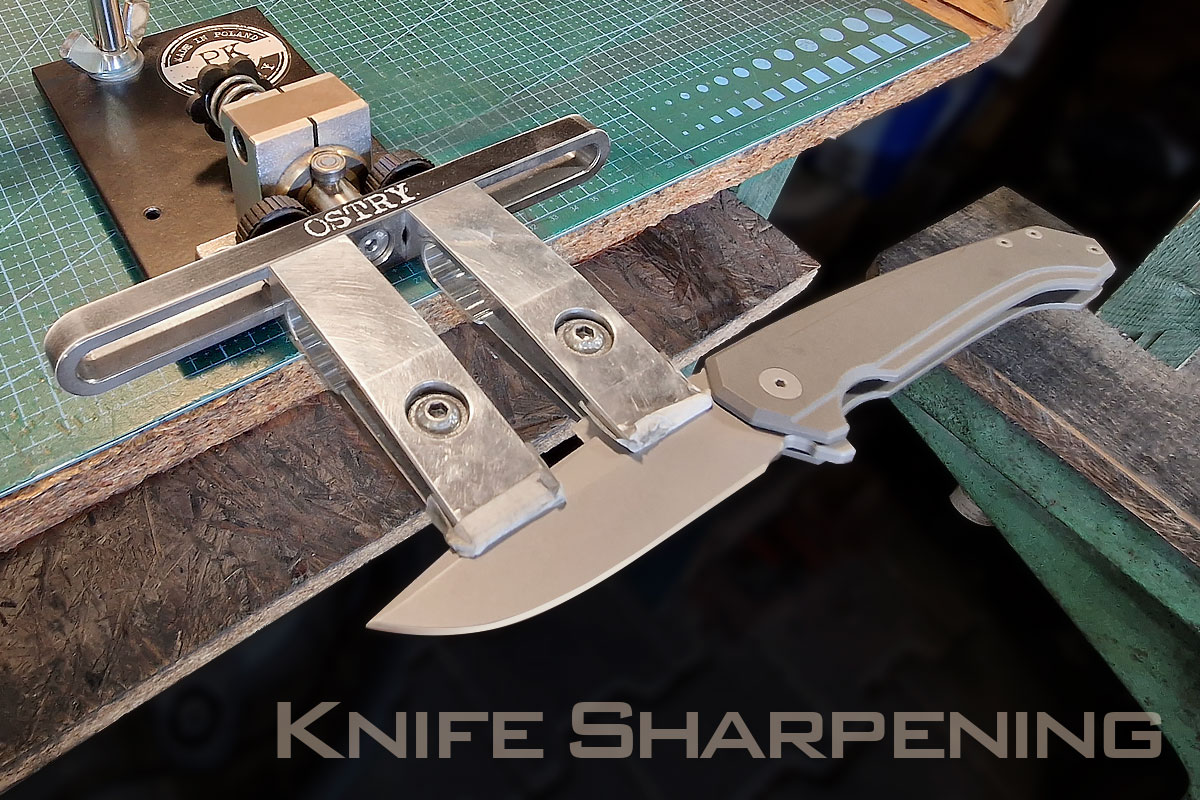
Sharpening is the final step in the knife-making process of each knife, followed by the final quality check, pairing with a sheath, and packaging. Every custom knife is sharpened personally by the creator, Marcin Kampka, who gives the cutting edge its final shape. The sharpening angle is adjusted by the knifemaker to the type and size of the knife, as well as the grind used on the blade. Folding knives have an edge angle of 20° – 23° per side, while fixed blades with flat and grooved grinds are similar. The largest knives (e.g. Crowbars) have an angle of 22° – 30° per side, and knives with a “Postapo” grind (a flat grind tip with grooved sides) range from 22° to 25°. For resharpening an MK blade, follow the cutting edge to maintain the optimal sharpness intended by the maker.
KNIFE SHEATHS
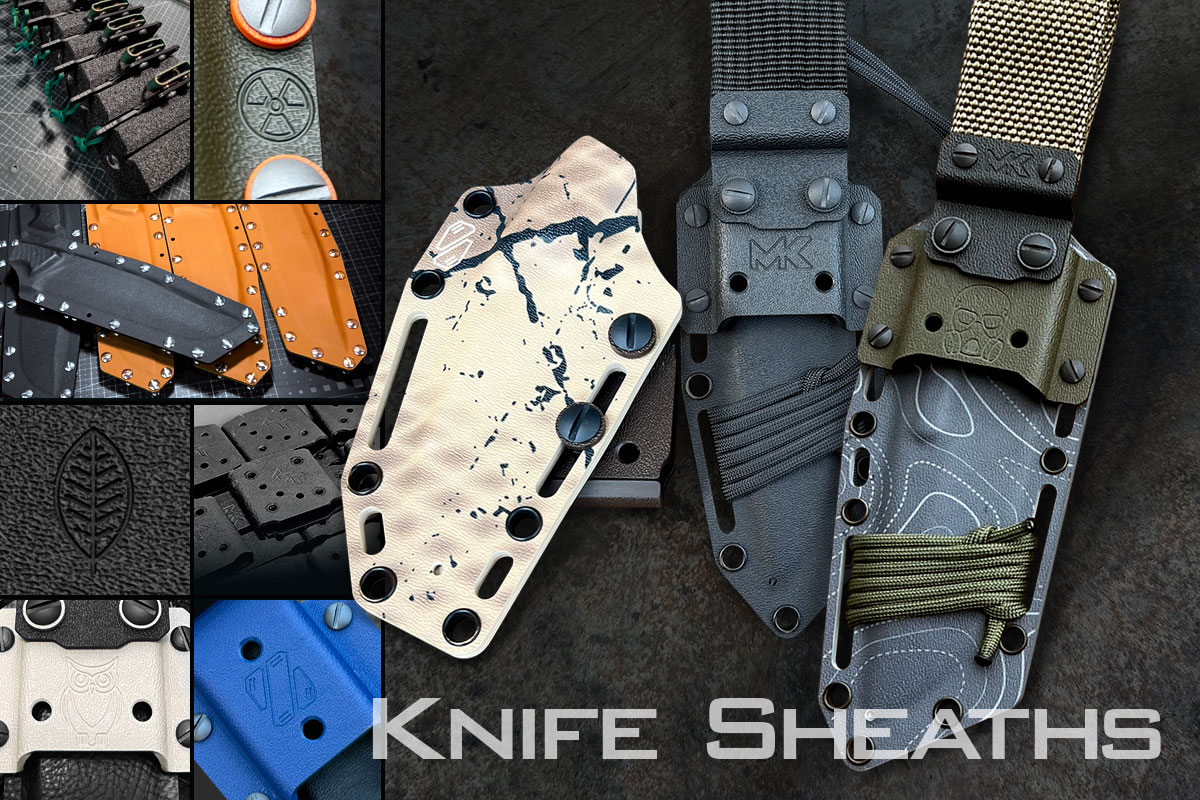
Knife sheaths at MK Knives & Tools are treated with the same care and dedication as the knives themselves. Distinguished by style, color, and meticulous attention to detail and engravings, they are an essential part of every set. At MK Knives & Tools, the knife and sheath form an inseparable whole. In custom products, each sheath is unique and made personally by the knifemaker. Sheaths are crafted from Kydex or Holstex, with components joined by slotted screws, a signature feature of MK custom products. The screw shades contrast with the sheath and knife colors. A thick nylon belt loop or a leather loop (in the “Wood Spirit” series) is generally used for carrying. Each sheath is adorned with individual engravings characteristic of each series, yet every product is one of a kind.